Local Transportation in Chiang Mai: A Journey Through Time and Tradition

Chiang Mai, Local Transportation in Chiang Mai, Chiang Mai Travel, Northern Thailand, Slow Travel Thailand, Ping River, Traditional Transportation, Thailand Cultural Experience
Transportation has always been an essential part of human civilization. Long before modern roads and vehicles existed, people relied solely on walking to travel from one place to another. As societies developed, animals such as elephants, horses, oxen, and buffalo became important means of transportation, making long-distance journeys more practical, although they still required days or even weeks of travel with overnight stops along the way.
To carry more people and goods efficiently, humans invented simple vehicles such as ox carts and wagons for land transportation. Along rivers, bamboo rafts and wooden log rafts became vital for moving both people and cargo. Over time, these traditional methods gradually evolved into modern vehicles, including automobiles, trains, and motorboats, transforming the way people travel today.
In Thailand, local transportation has a long and fascinating history. Ox carts pulled by buffalo or cattle were commonly used across the countryside, while rafts made from bamboo or timber floated along rivers that served as natural highways. These simple innovations eventually led to the development of rowing boats, motorboats, and improved transportation networks connecting communities throughout the country.
In Northern Thailand, especially in Chiang Mai, rivers played an even more significant role. The Ping River, which flows through the heart of Chiang Mai, eventually joins the Wang, Yom, and Nan Rivers before forming the mighty Chao Phraya River in central Thailand. For centuries, these waterways were the region’s lifeline for transportation, trade, and daily life.
Before highways connected northern Thailand with Bangkok, traveling by raft or boat along the Ping River could take three to four months downstream. The return journey was even longer—often five to six months—because travelers had to battle strong river currents. Such journeys demanded patience, endurance, and careful planning, making travel itself an unforgettable adventure.
As bicycles, automobiles, and paved roads arrived in Southeast Asia during the twentieth century, transportation became much faster and more convenient. Dirt roads gradually expanded into nationwide highway networks, while bicycles and pedal-powered tricycles became affordable transportation for ordinary people. Automobiles, however, remained a luxury that only wealthy families could afford during the early years of modernization.
Although many traditional vehicles have disappeared or found new homes in museums, visitors to Chiang Mai can still experience several authentic forms of local transportation that preserve the city’s cultural heritage.
One of the most charming experiences is riding a pedicab (Samlor) through Chiang Mai’s historic Old City. It is important to distinguish the traditional Samlor from the modern tuk-tuk. Unlike tuk-tuks, which are powered by engines and often play loud music, a Samlor is entirely pedal-powered by a local driver. Every journey is personal, peaceful, and environmentally friendly. Because the front seating area is open, passengers enjoy unobstructed views of ancient temples, wooden houses, quiet streets, and everyday local life. It perfectly captures the spirit of slow travel, allowing visitors to appreciate Chiang Mai at a relaxed pace.
Another iconic local transport is the famous Songthaew, the red shared taxi that has become one of Chiang Mai’s most recognizable symbols. These converted pickup trucks can carry several passengers at once while traveling along flexible routes throughout the city. Visitors may choose to share a ride with locals or hire an entire vehicle for a private tour, making it both affordable and convenient.
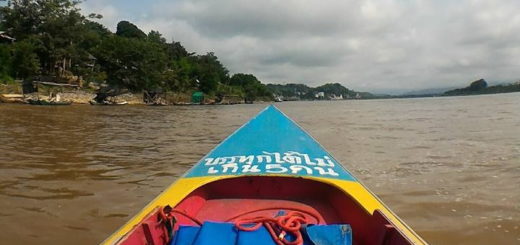
For those seeking a more tranquil experience, a boat cruise on the Ping River offers another unforgettable perspective of Chiang Mai. Unlike the busy traffic found on Bangkok’s Chao Phraya River, the Ping River flows peacefully through green landscapes, riverside homes, temples, and local communities. Visitors can also enjoy traditional bamboo rafting, a timeless activity that reconnects travelers with the natural beauty that has shaped northern Thailand for generations.
Today, these traditional forms of transportation are no longer just ways to travel—they are living pieces of history. As technology continues to replace older methods with faster and more comfortable alternatives, opportunities to experience them become increasingly rare.
When planning your next Chiang Mai travel adventure, don’t simply visit the city’s famous temples and mountain landscapes. Take the time to ride a traditional Samlor, board a red Songthaew, cruise along the Ping River, or drift gently on a bamboo raft. These authentic experiences offer more than transportation—they tell the story of Chiang Mai’s rich cultural heritage and invite you to slow down, connect with local life, and create memories that may soon become part of history. Before these timeless traditions existed only in museums and old photographs, come and discover the true spirit of Chiang Mai, Northern Thailand, where every journey is as meaningful as the destination itself.